In this article, I am going to write about how the Rupee, the currency of my country came into being in the medieval times and its fall and subsequent standardization of US Dollar
The word Rupee derives from the Sanskrit word Rupya which has the root word rupa meaning 'shapely' or impressed.
The history of the rupees traces back to Ancient India in
circa 6th century BC, ancient India was one of the earliest
issuers of coins in the world,
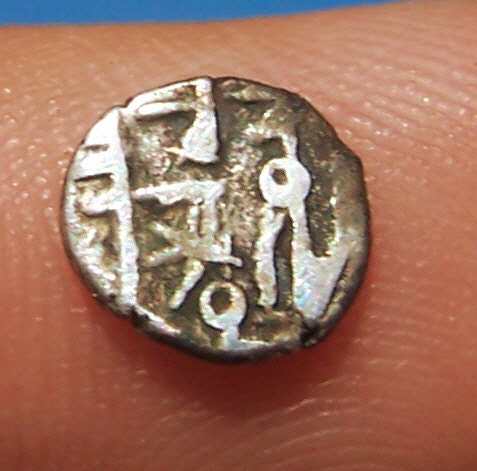
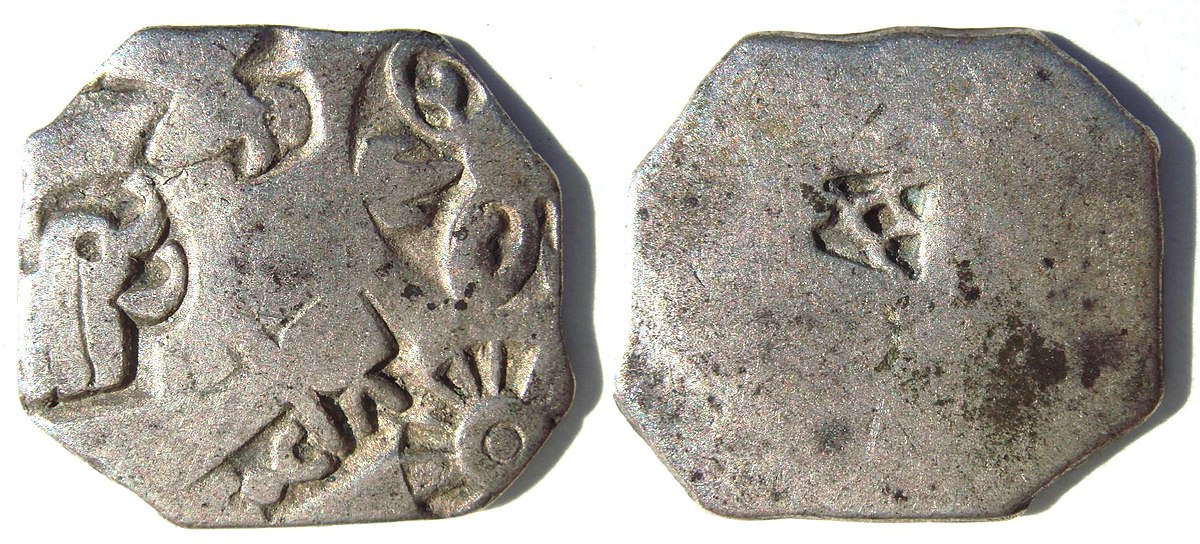
Arthashastra, written by Chanakya, prime minister to the first Maurya emperor Chandragupta Maurya(c. 340-290 BCE), mentions silver coins as rupyarupa, other types of coins including gold coins (Suvarnarupa), copper coins ( Tamararupa) and lead coins (Sisarupa) are also mentioned. Rupa means form or shape, example, Rupyarupa, Rupya - wrought silver, rupa - form
Wikipedia states that it was Sher Shah Suri who set up the first Rupiya during his rule.Better they check the sources once again.
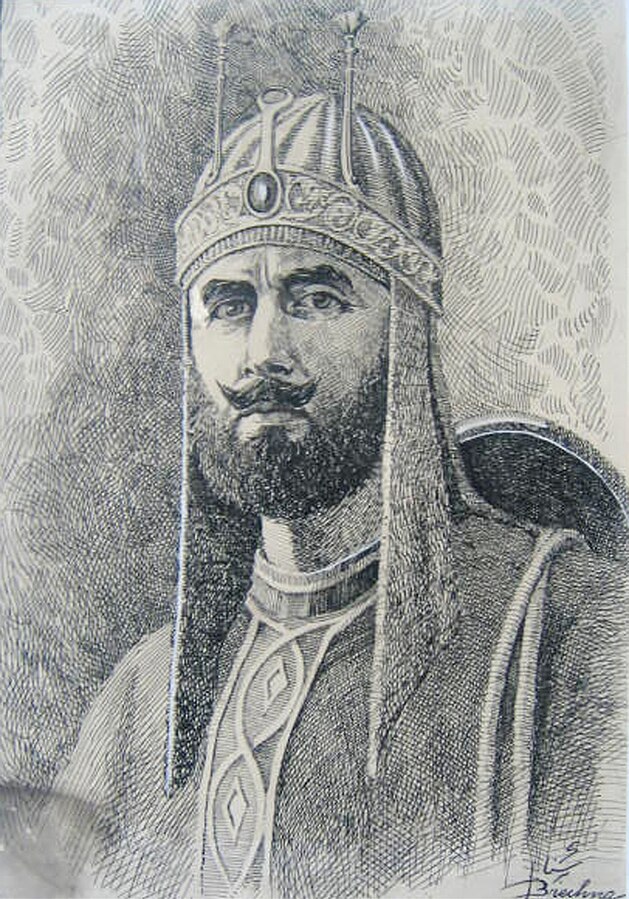
Now let us see the importance of the Rupee and its glory
in ancient times-
Unlike today's rupee which is made of stainless steel,
the ancient rupee was made of silver which was actually
comparitively of a lower standard as other ancient economic
systems had GOLD coins as currency. This was the scenario
till the end of Mughal rule.
From the beginning of the british raj, all of it vanished and
paper currency started popping up.
How many countries used Rupee during mid 20th century??
India, Pakisthan, Afghanistan, Srilanka, Tibet,
Nepal, Mauritius, Seychelles, Maldives, Indonesia,
Myanmar, East Africa, Southern Arabia, Persian Gulf, till
mid 20th century.
Population which used the Rupee?
let us be fair and consider the population during mid 20th century..
India alone stood at 1 billion . Guess what number used the Rupee.
Just a thought- How many used dollar currency , How many used Rupee.?
WHY NOT STANDARDIZE RUPEE INSTEAD OF DOLLAR???
The word Rupee derives from the Sanskrit word Rupya which has the root word rupa meaning 'shapely' or impressed.
The history of the rupees traces back to Ancient India in
circa 6th century BC, ancient India was one of the earliest
issuers of coins in the world,
Arthashastra, written by Chanakya, prime minister to the first Maurya emperor Chandragupta Maurya(c. 340-290 BCE), mentions silver coins as rupyarupa, other types of coins including gold coins (Suvarnarupa), copper coins ( Tamararupa) and lead coins (Sisarupa) are also mentioned. Rupa means form or shape, example, Rupyarupa, Rupya - wrought silver, rupa - form
Wikipedia states that it was Sher Shah Suri who set up the first Rupiya during his rule.Better they check the sources once again.
Now let us see the importance of the Rupee and its glory
in ancient times-
Unlike today's rupee which is made of stainless steel,
the ancient rupee was made of silver which was actually
comparitively of a lower standard as other ancient economic
systems had GOLD coins as currency. This was the scenario
till the end of Mughal rule.
From the beginning of the british raj, all of it vanished and
paper currency started popping up.
How many countries used Rupee during mid 20th century??
India, Pakisthan, Afghanistan, Srilanka, Tibet,
Nepal, Mauritius, Seychelles, Maldives, Indonesia,
Myanmar, East Africa, Southern Arabia, Persian Gulf, till
mid 20th century.
Population which used the Rupee?
let us be fair and consider the population during mid 20th century..
India alone stood at 1 billion . Guess what number used the Rupee.
Just a thought- How many used dollar currency , How many used Rupee.?
WHY NOT STANDARDIZE RUPEE INSTEAD OF DOLLAR???
Comments
Post a Comment